Curator Teresa Gleadowe on how her chance encounter with an abandoned school led to founding CAST arts centre in Helston.
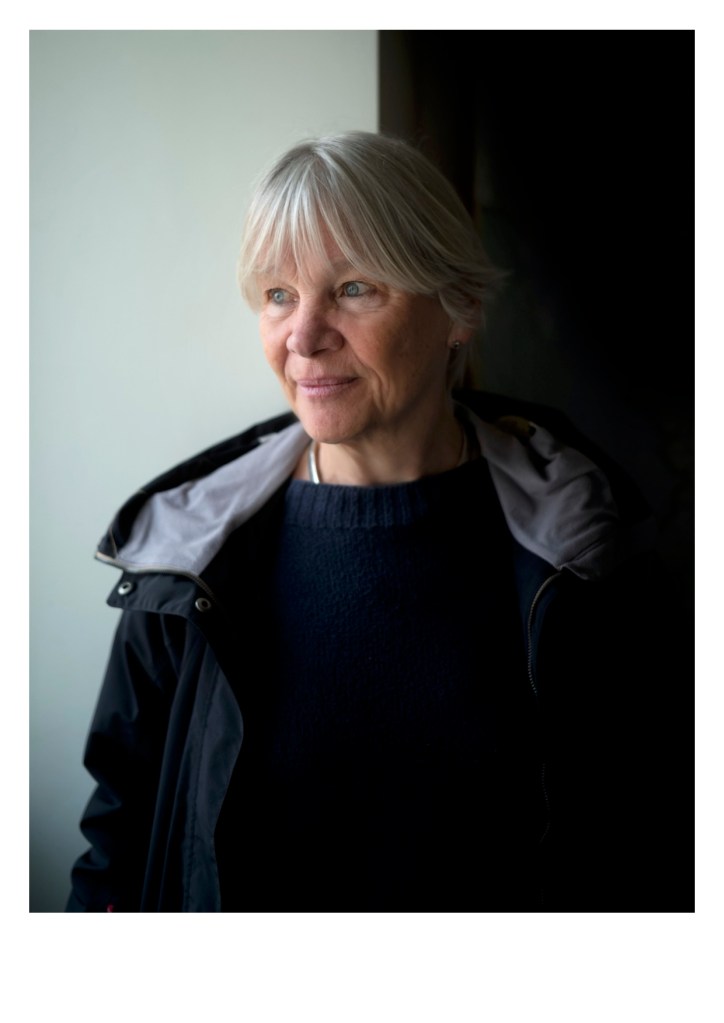
Curator Teresa Gleadowe came to CAST in 2012 with a wealth of contemporary art experience – she had worked at the British Council and at Tate and established the curating course at the Royal College of Art, an MA with global reach. CAST – The Cornubian Arts & Science Trust – is Gleadowe’s initiative, designed to be a space for exhibiting outstanding international and home-grown artists, as well as providing educational activities for people in Helston and beyond.
I spoke to Teresa over Zoom, 2020’s new social format, to ask her how CAST started and how the organisation was coping with the challenges brought on by Covid-19 and Brexit.
CAST came out of an idea that originated at the Falmouth Convention, a three-day conference held in May 2010, exploring time and place in contemporary art and exhibitions. The creative community in Cornwall had been discussing a pitch to host Manifesta, an international peripatetic biennial exhibition held in different parts of Europe, and the discussion had generated a lot of energy and ideas about Cornwall as an art venue. The Manifesta idea was abandoned for funding reasons, but the Falmouth Convention took its place; Teresa invited US-based art writer and feminist Lucy Lippard to take part.
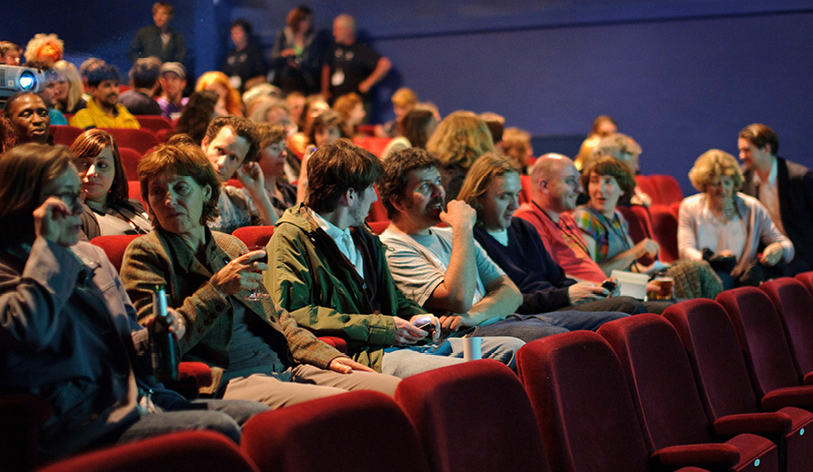
“I had a sense that she liked the West Country – I knew that she had spent some time in Devon and was very interested in ancient stones – so I asked if she would come to Cornwall to give the keynote for the Falmouth Convention, and she said she was interested and then she said she would…then really everything about the Falmouth Convention followed on from Lucy Lippard’s saying yes. Because she’s such a revered figure, Hans Ulrich Obrist, who is this super curator (now Artistic Director at the Serpentine Gallery) heard about it and said he would come…it was one of those extraordinary moments when things just go right!”
With a line-up of distinguished guests coming to Falmouth from around the world, Gleadowe was alarmed to discover the Woodlane Lecture Theatre was already booked for a University open day on the first day of the conference. Teresa kept her nerve; “I was pretty shocked when I discovered,” she said, “but then we decided to just turn the schedule around and start by spending time outside!”
With many collaborators, she arranged to start the event by taking guests out into the Cornish landscape on a range of field trips – to visit Zennor and St Just, or take a boat trip around Falmouth Bay, navigated by Lucy Gunning and Tacita Dean (both ex-Falmouth art students), or make a journey to Castle Dore, the Cornish source of the timeless story of Tristan and Iseult, before visiting the Church of St Sampson.
“These field trips turned out to be a very important part of the Convention. Everybody had an extraordinary experience, and they were very different experiences. Quite a lot of people came from London and elsewhere; people came from Poland, there was a speaker from Egypt…it was a very international event. Everybody got to know each other on the field trips and by the time the conference bit started I remember standing up to introduce it all and there was this total buzz in the room…everybody was talking to everybody else, and they were all exchanging experiences,” recalls Gleadowe.
The success of the Falmouth Convention left a sense of buoyancy and energy, she says, but at the same time, she was acutely aware that artists based in Cornwall felt they had not had enough opportunities to talk about their own work. She wanted to try and build a more permanent forum for art practice in this part of Cornwall and thought of Kestle Barton, an old farmstead on the Lizard peninsula, which Karen Townshend had recently converted into holiday accommodation with a small gallery. “I didn’t know Karen at that time at all”, admits Gleadowe, “but I had the cheeky idea that perhaps it would be possible to organise a kind of residency at this place which was obviously really special.”
She asked US artist Mark Dion, whom she knew from the Royal College of Art, to come and lead a weeklong art residency in Cornwall.
“Mark has been very involved with the environmental movement, he’s an incredible communicator, and when he said he would come to Cornwall I wrote to Karen and asked if she would be at all interested in hosting such a thing, and Karen said that Mark was one of her favourite artists and she would!”
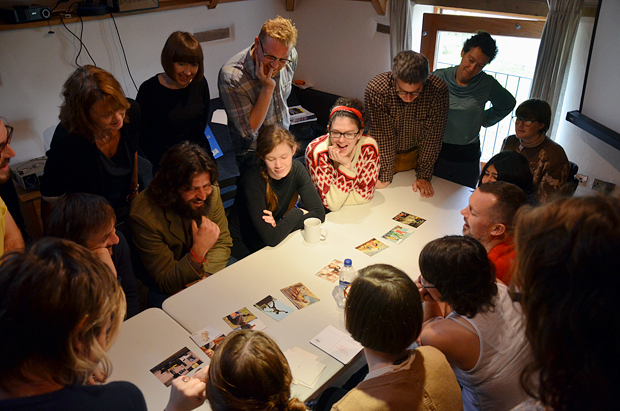
The Cornwall Workshop launched in October 2011 at Kestle Barton with a week-long intensive residential workshop for artists, curators and writers. “That was also the beginning of CAST,” reflects Gleadowe. “Mark is passionate about museums, he loves old museums, so I wanted him to see the museum in Helston, which is very special because it’s one of those wonderfully over-stuffed museums with everything.”
She took Dion to the museum and, as she was turning her car around, she looked up and saw the huge, dark building which would later house CAST. It was in a ruinous state; “…every window in the building was boarded up and it looked really sad. The weird thing was that, although I knew Helston a bit at that time, I’d somehow never seen this massive building, ” remembers Gleadowe.
“I heard myself saying ‘I want that building’. It was weird because I’m not really that person; I’m not bold and I know nothing about buildings, but what I could see was that it was quite like a number of studio buildings I knew well in London.”
CAST is housed in a late 19th century school building erected in 1897 as a Science and Arts School, with funds from the Cornish philanthropist John Passmore Edwards. Later parts of the building were added in 1905 and 1913. “It had very high ceilings, it had very big windows and it looked like it would have big, generous rooms – I liked the look of it, even though it was bleak at the time”, adds Gleadowe.
She rang round contacts in Helston to find out more about the building and discovered it had been a school, then a popular community centre, which had closed in 2010. People feared it was being allowed to fall into a state of bad repair and would be sold to a developer. But then came the news that the old school was up for auction in November 2011. Gleadowe sought advice from Ross Williams, who set up Krowji in Redruth, Cornwall’s largest cluster of studios, workspaces and meeting rooms for creative businesses, and Chris Hibbert, who manages Porthmeor Studios in St Ives and Trewarveneth Studios in Newlyn, and both agreed that there was a need for more studio space in Cornwall. Williams accompanied Gleadowe to the auction.
“I had been in auctions for works of art, but not for a really large building. Karen (Townshend) and I agreed we would go up to £150,000, but after bidding started it quickly went past £150,000. I was with Ross and he was pretty much holding my hands down and saying ‘You shouldn’t go any higher than that’ and it was sold to somebody else for £165,000. I was gutted and thought I had totally mishandled it, because it didn’t go for that much more,” recalls Gleadowe. But she was lucky – the developer who had put in the winning bid eventually pulled out, losing his deposit, and a repeat auction was announced in summer 2012. This time Gleadowe took no chances.
“I couldn’t bear the thought of going back into the auction room, so we wrote a letter to Helston Town Council and offered them the same as the original winning bid, then I wrote to the auctioneers and asked them to withdraw the building from the sale – so we actually acquired it in August 2012”.
Gleadowe wanted to use the building for more than artists’ studios and included a cafe in her plan. “I was always very keen that we should have a café there… artists care about food at least as much as the rest of us, probably more, so if you get the food right, it’s probably all going to work fine”, she laughs. She believed a café would also help make the building a focal point for the community.
The name Cornubian Arts & Science Trust came from the original purpose of the building, and from the Latin word for Cornwall; it had a Victorian feel to it that seemed right, and CAST was an easy acronym.
“I really believed that CAST could make a difference to Helston and to Helston’s future, and I still do”.
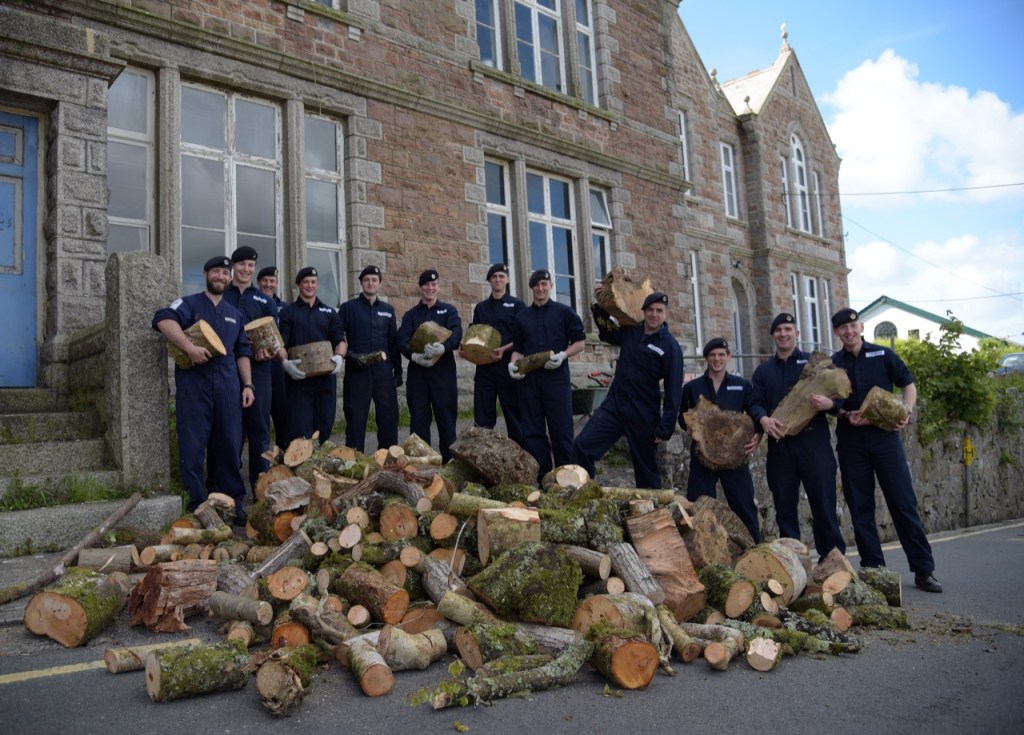
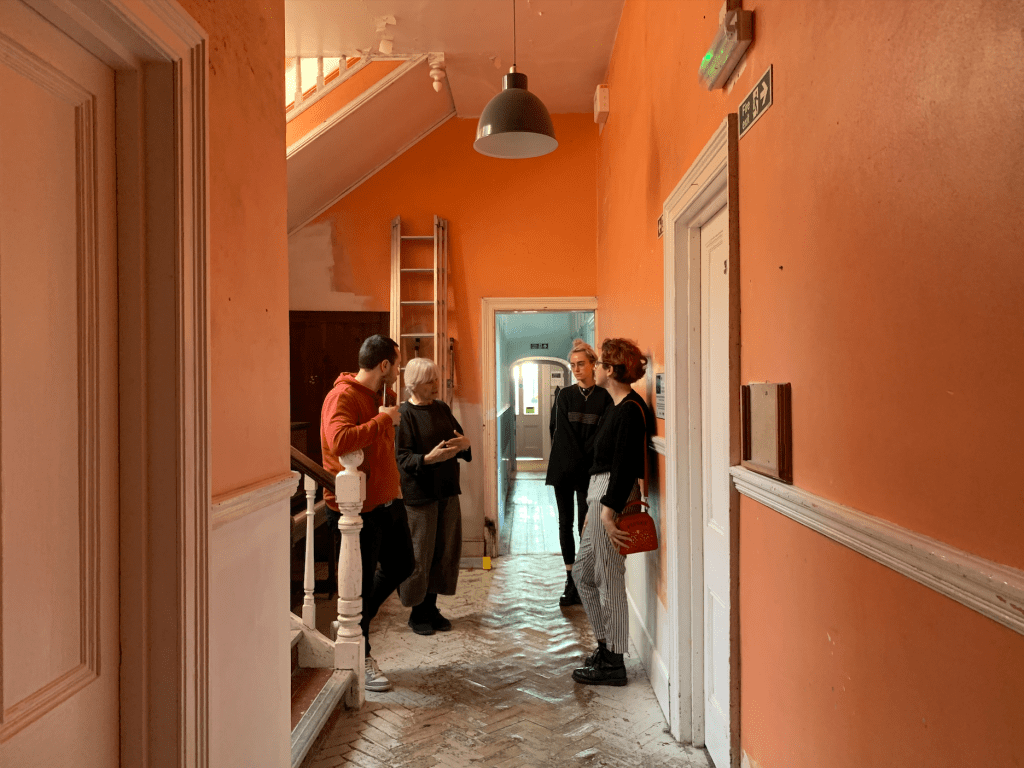
In the beginning there was a degree of concern from local people. No-one knew the new owners of this building that had such a special place in Helston’s history and they worried that it could still end up as a commercial development. But before long a group of enthusiasts joined Gleadowe to help with a mammoth clean-up at CAST. “The building had been closed for a while and some people were very sad about it, but almost immediately there was a small group of people who were very supportive, who came and helped to clean the building,” she says.
Barely six months later, in the dead of winter, February 2013, CAST hosted its first event, The Dark Rooms, a warehouse show curated by artist Jesse Leroy Smith. Gleadowe knew that Leroy Smith was good at getting pop-up projects off the ground and had brought together artists to create installations in similar buildings awaiting development.
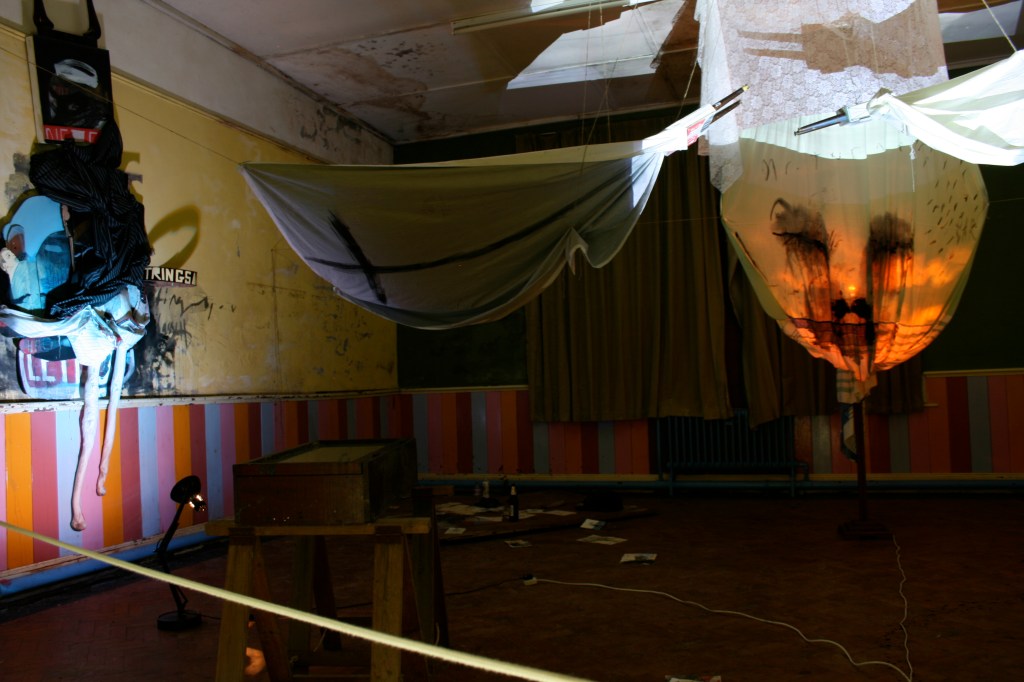
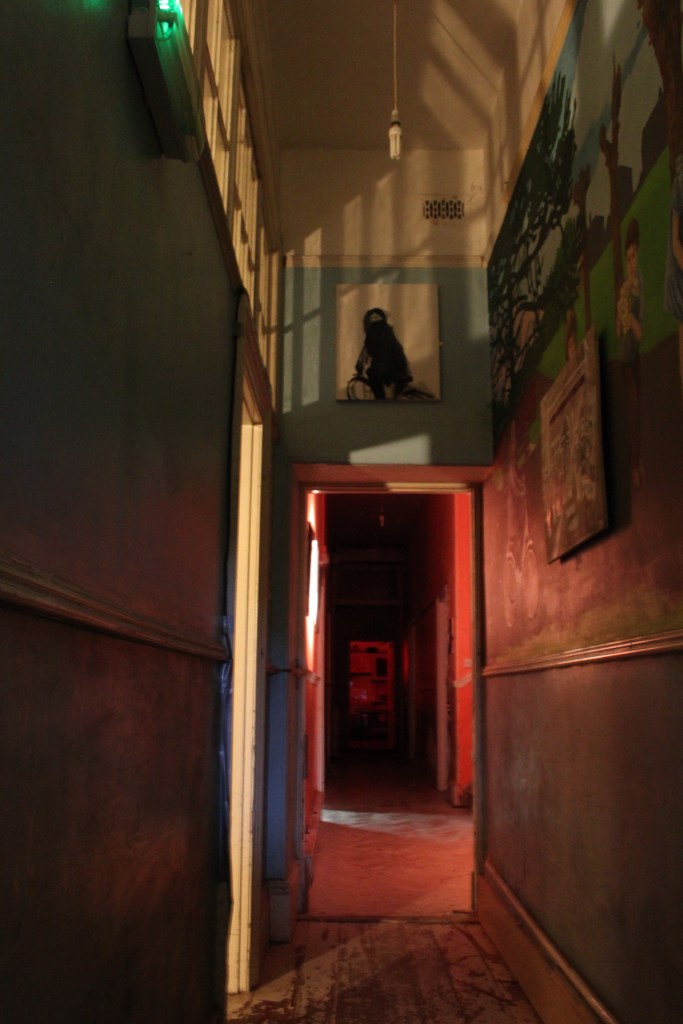
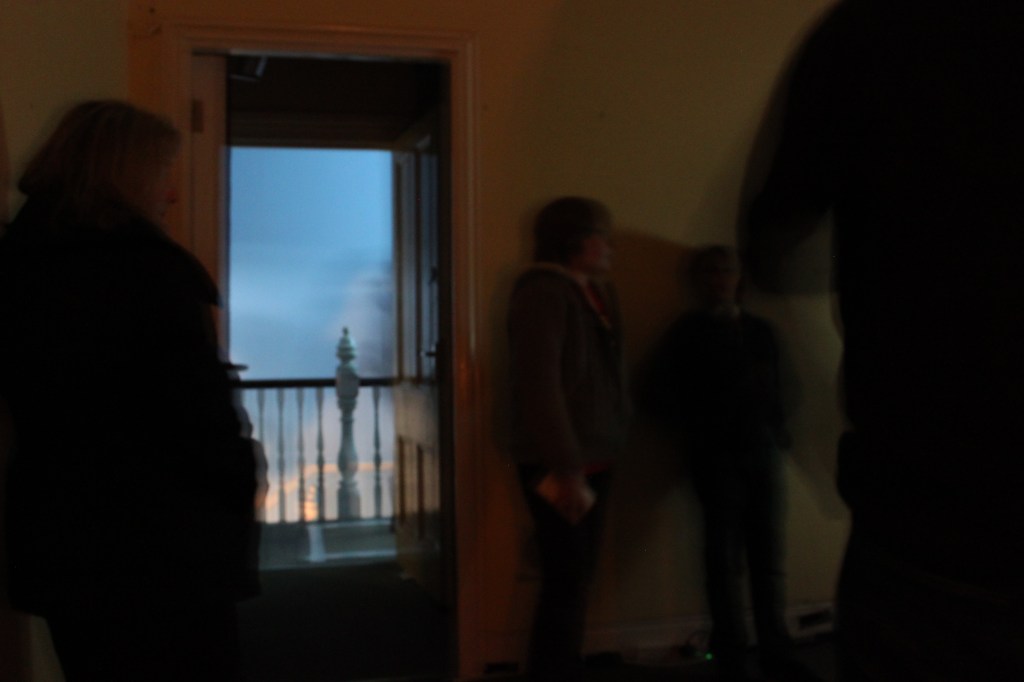
The Dark Rooms – an apt title it turned out, given the building’s unreliable electricity supply – used projected images and sound. Leroy Smith and his group had to sleep in the dank, chill building to keep the equipment safe. About 1000 people attended the event that February weekend – curious locals, the art community en masse and students from Falmouth University.
Gleadowe was delighted at the atmosphere, which felt quite unlike Cornwall, she remembers. “There was this fairly wild event in this wrecked building in February. It was bitterly cold – the building was damp and fiercely cold. To me it felt like a kind of ‘pinch yourself’ moment, I thought maybe I’m in Berlin, maybe I’m in downtown New York in the 1970s. It was quite something.“
CAST then won European Union funding under a scheme to support the creation of studios as rural workplaces and this included support for a public programme. Leroy Smith organised a series of events called ‘Under the Influence’, where musicians, artists and filmmakers discussed their key creative influences – Mark Jenkin, who went on to direct the BAFTA-winning film ‘Bait’, held one session during the programme. Falmouth graduates Ben Sanderson and James Hankey had both been involved with The Dark Rooms and moved into studios in the building. They played a big part in bringing the building back to life and hosted some of the first events; they made big onion soups and people came armed with blankets and duvets to keep warm in the bitterly cold rooms.
During the summers of 2014, 2015 artists from Open School East in London came to visit, sleeping in the building, cooking on camp stoves, building a pizza oven and hosting workshops and social events. These early residencies reached out to local residents and helped everyone to imagine what CAST might become.
In September 2013, a local volunteer, Rosa Thorp, temporarily transformed the room destined to be the café into a vision of shabby chic, decorating it with herbs and wildflowers from the hedgerows and her parents’ garden. The following year Dom Bailey arrived in Helston, having run the Gurnard’s Head between St Ives and St Just. He asked if Gleadowe would be interested in having a café and could he run it – the answer was a resounding ‘ ‘yes!’ To begin with the café was a pop-up – Bailey cooked at home, loaded up his little hand cart and pulled the food up the hill to CAST.
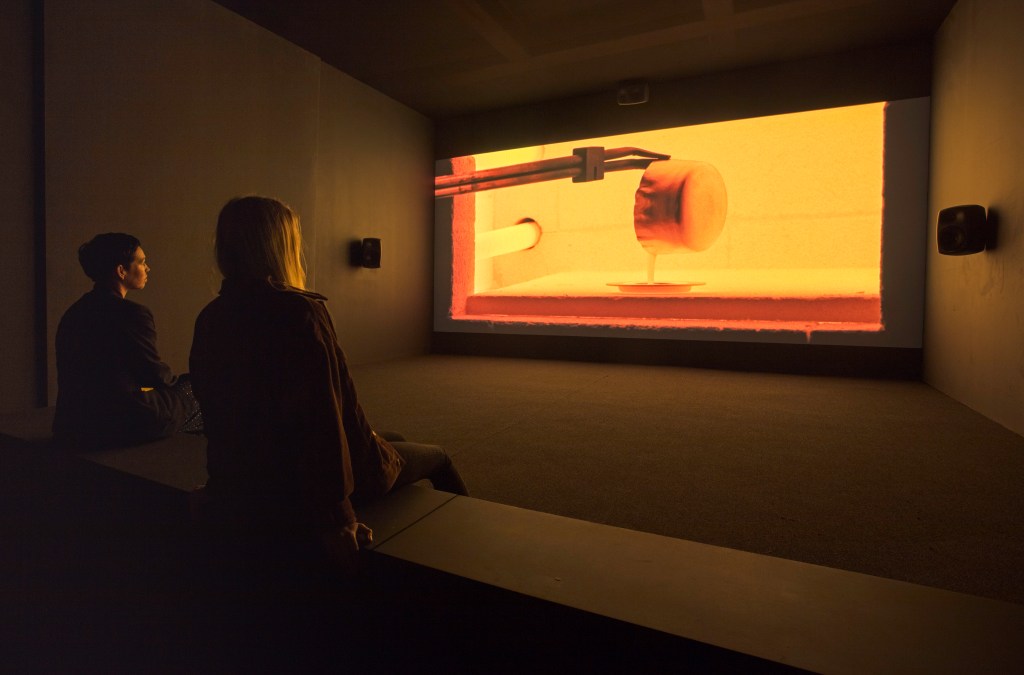
In 2015 CAST applied to the Arts Council on a scheme aiming to channel funding to venues outside London and in January 2016 received support for a three-year project working with Kestle Barton, Newlyn Art Gallery & The Exchange and Tate St Ives. ‘Groundwork’ brought international contemporary art and artists to Cornwall in 2018, with a season of exhibitions and events focusing on moving image, sound and performance, running from May to September. The project presented new commissions by Manon de Boer, Naomi Frears, Rosemary Lee, Abigail Reynolds and Semiconductor as well as celebrated works by renowned artists such as Steve McQueen, Francis Alÿs, Janet Cardiff and Andy Holden in a range of venues and outdoor locations, through one glorious Cornish summer.
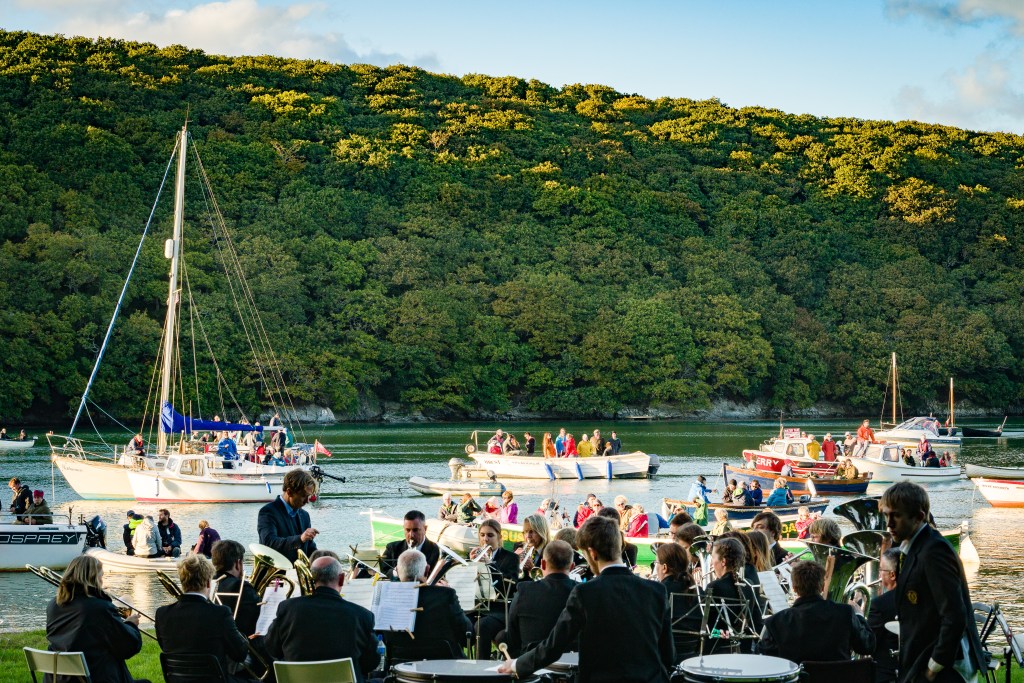
A subsequent small capital grant, also from the Arts Council, meant that internal work could be done to make a proper kitchen and café, upgrade old studios and develop new spaces, including the black box space in which moving image installations were exhibited during Groundwork.
It’s not yet clear how Brexit will affect CAST, with its decidedly outward-looking ethos. When asked about the post-Brexit future, Gleadowe says “I believe strongly in internationalism and international cultural work and I value that kind of international dialogue hugely.” With a weary note in her voice, she adds ”I just feel deeply, deeply sad about Brexit and how it’s going to affect us all in the future.“
CAST has benefited from European funding – though not as much as other arts institutions in Cornwall – while a grant from the Mondriaan Foundation supported Manon de Boer’s commission for Groundwork.
“It’s going to be very different and very difficult”, admits Gleadowe. “I remember the day after the vote – I was just dismayed…we’ll have to do the best we can.”
Despite its devastating impact on Britain’s arts economy, the Covid-19 pandemic has brought skills which could help, she suggests. “Because of Covid we’ve learned how to share activity online and how to try and keep things going. It feels to me very important that we should try and keep our international outlook somehow.”
Gleadowe is convinced Cornwall will hold its own as the arts begin to recover post-Covid and post-Brexit because of a strong and current cultural identity expressed in existing institutions like Tate St Ives, Newlyn Art Gallery & The Exchange, and its own recent art history.
“I think what Cornwall has provided in the past, and is providing in a really important way again, is a very significant hub for production. It’s interesting, the whole St Ives modernist movement grew out of the very difficult conditions created by the second world war with people leaving London because of wartime and people coming from elsewhere in Europe. A spirit of internationalism and innovation followed.”
Gleadowe believes Cornwall can be this place again: “We have a lot of artists who are very well connected with each other, with artists in London, with artists elsewhere in the UK, with artists internationally, and there are more who would like to relocate. So, I actually feel very optimistic about what can happen in Cornwall.”
As an international art capital London is already very saturated, whereas Cornwall offers more breathing space to create and develop; “it would be absurd to compete with London, one goes to London for different things,” says Gleadowe. She thinks Cornwall’s creative relevance will come from its capacity to keep creating; “as a place where there can be good production, and where there can be really useful critical conversations, Cornwall has a lot of potential.”
The past year of repeated pandemic lockdowns has been hugely challenging for all art practitioners and curators, but CAST’s size has allowed it to manoeuvre and adapt, building resilience.
“I remember feeling incredibly frustrated with the first lockdown because we had all sorts of things lined up for the spring and it was just heart-breaking to have to cancel or postpone them…heart-breaking and frustrating,” says Gleadowe. “ But we were able to adapt fairly well, perhaps because we are a very small organisation.”
CAST won an Arts Council emergency support grant, allowing its core team to keep working remotely, and the resident artists were able to continue working in their individual studios. But the 2020 summer programme ‘CAST-Off’ was CAST’s most innovative response to the new ‘Covid reality’, continuing the organisation’s engagement with the town and the local community, offering creative activities for children and families. CAST’s learning programme head Lucy Grant initiated this off-site project along the Cober Valley from Lowertown, a village upstream of Helston, through the Penrose estate to the sea at Loe Bar, involving many of the CAST studio artists as contributors. ‘CAST-Off’ became a hyper-local, festival-like event, generating a much-needed positive energy in 2020.
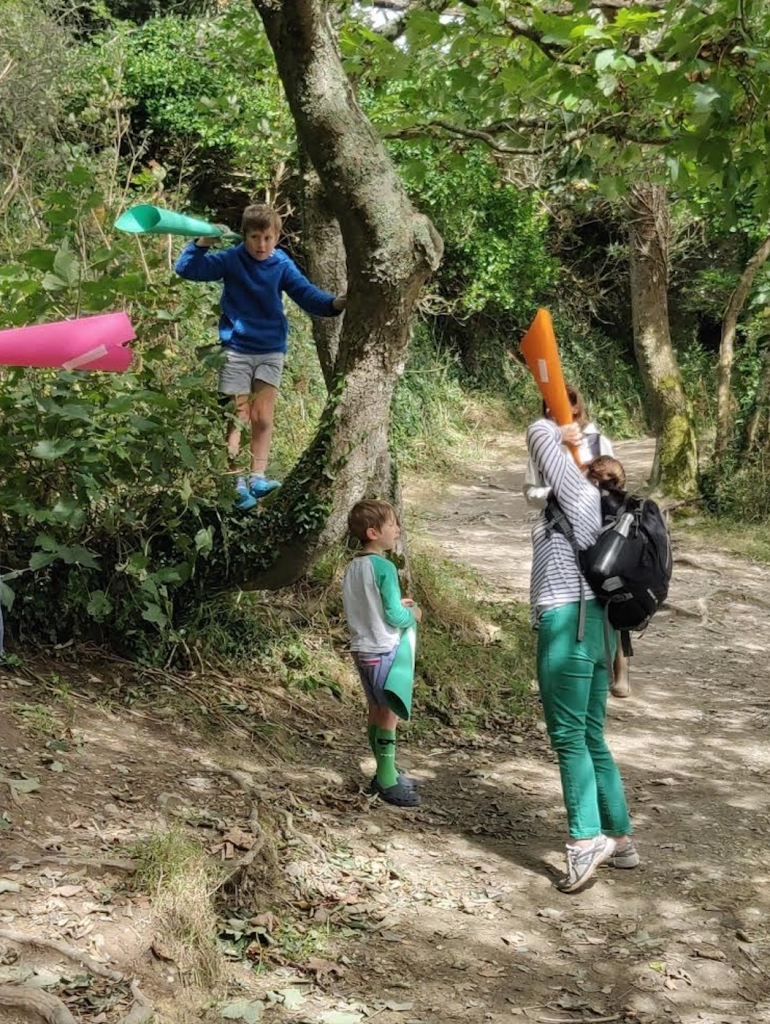
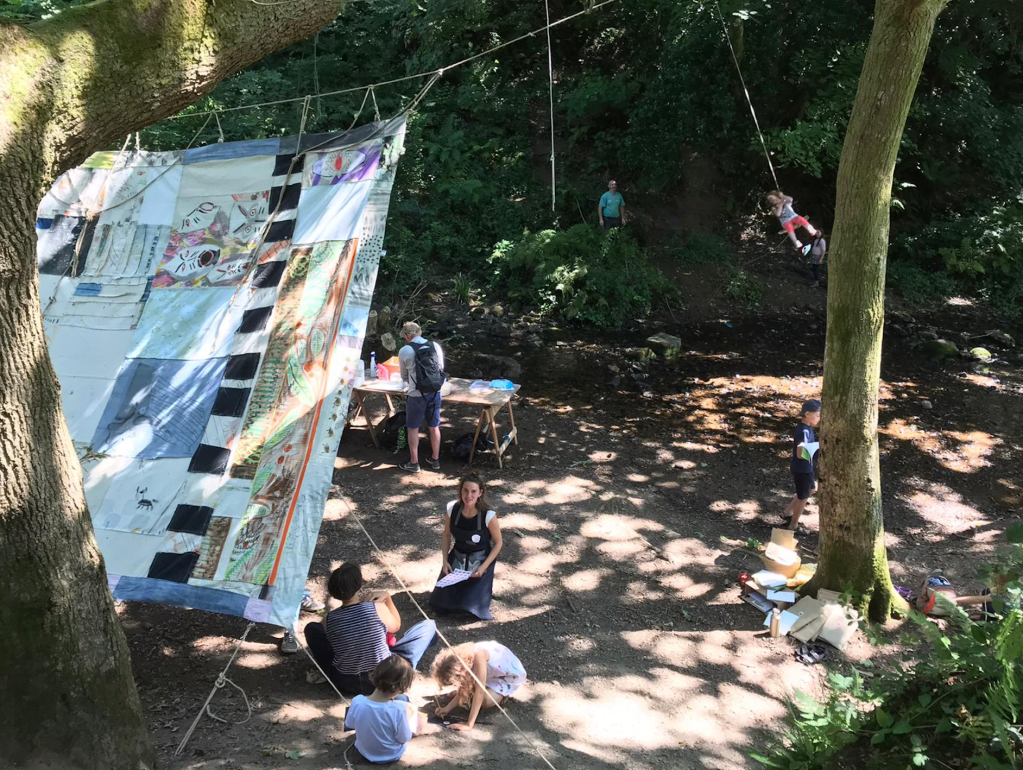
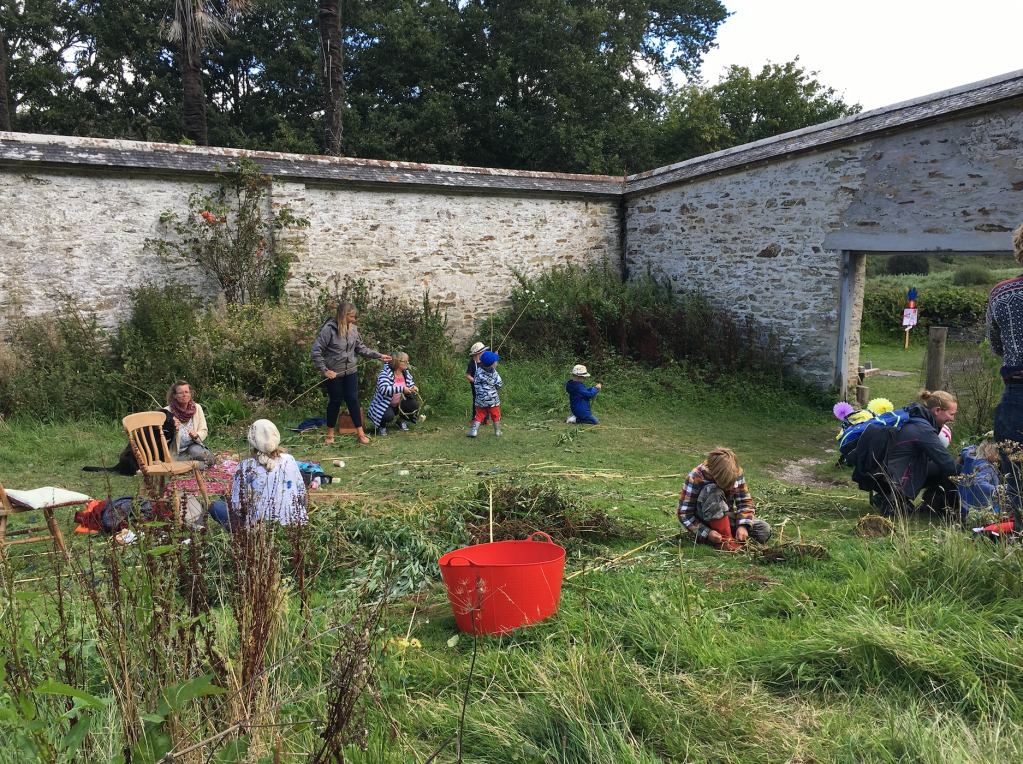
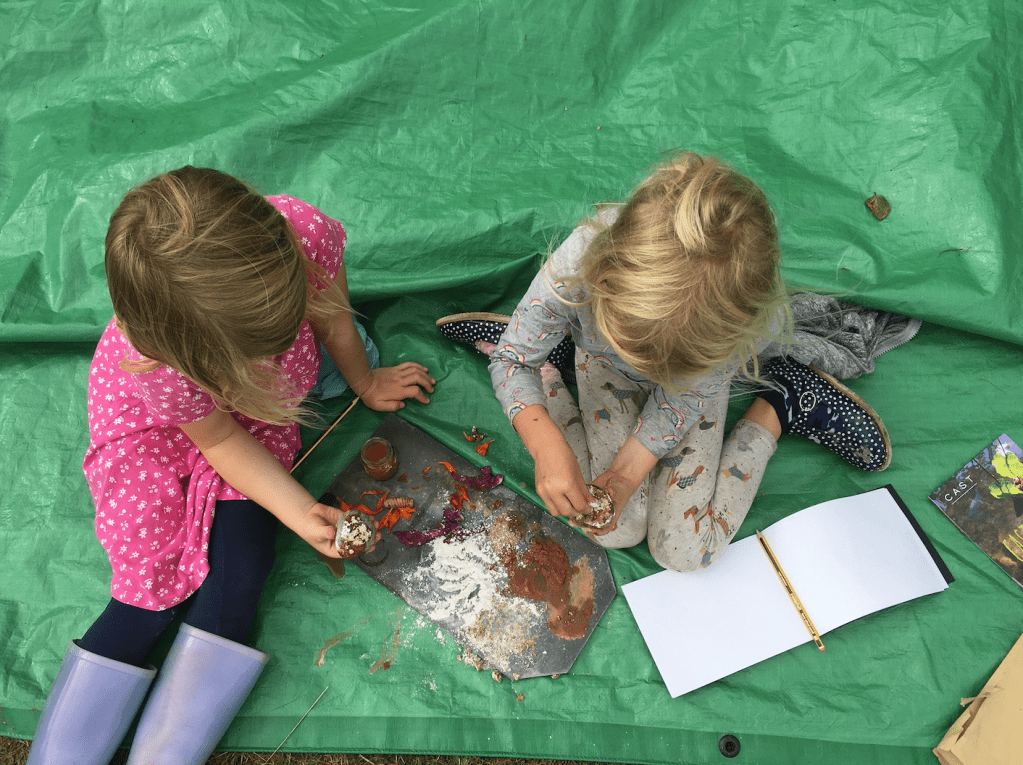
“Cornwall is a wonderful place in which to develop a programme of this kind and the environment around Helston provided an amazing range of spaces in which artists could invent and lead creative activities. CAST’s story has always unfolded in this way, reacting, learning and adapting, step by step. We learned so much from CAST-Off and it has given us renewed confidence in our ability to survive and thrive.”
Written by Gaia Pitt-Judd
 CAST Culture